All Categories
Featured
Table of Contents
AI presence tools are proliferating quickly. Many of them do one thing reasonably well, which is show you a number. This is either your brand name's reference rate, your share of voice, or your position across a handful of engines. Rankscale fits this pattern. It tells you where you stand in AI-generated responses, and after that mainly leaves you there.
You know your brand name isn't being mentioned on a cluster of high-intent triggers. You do not know which content to repair, which angle to push, or which source you need to land on to alter it. The information stalls in a control panel, and individuals who could act on it are still trying to find out what action to take.
Groups end up allocating questions, inspecting less prompts, and refreshing less frequently, using the tool less at exactly the moments they require the most signal. The tools worth switching to flip both issues. They use monitoring and execution in the very same platform, with pricing that doesn't penalize you for utilizing it seriously.

Rankscale is a legitimate AI search exposure platform that tracks rankings, sentiment, citations, and share of voice across a broad series of engines. It's constructed a genuine user base among startups and SMBs who desire a centralized dashboard for AI search tracking. While it offers important information, it doesn't tell you what to do with it.
[target1:anchor_exact1]Each AI engine inquiry costs 0.25 credits per timely. On the Essentials plan (120 credits at 20/mo) that's manageable at low volume for a choose number of engines, however as you broaden your prompt set, boost revitalize cadence, or add engines, credit burn speeds up quickly.
Future-Proofing Your SEO Strategy for 2026
The 3rd is the lack of a real action layer. Rankscale surface areas "actionable recommendations" and site audit findings, however these are guidance-level observations. The platform does not have a system that produces particular material briefs, determines third-party domains to target for citation placements, or produces a week-by-week execution stockpile your team can run straight.
To make it much easier while you compare Rankscale AI competitors, here's a list of the top 10 things to look out for. Whichever Rankscale AI rival you decide to go with, run through this list before devoting:ChatGPT, Perplexity, and Google AI Overviews are the minimum. If your audience uses other AI platforms, inspect they're covered.
If you're running projects throughout multiple markets, you'll need country-level information, not a worldwide average. Domain-level citation data informs you whether your site is being discussed.

If a tool just refreshes weekly, you could be acting on stagnant data. Rankings do not exist in AI search, but these metrics do.
Establishing US Content Systems via AI
The finest tools include an action layer, like material briefs, suggestions, and optimization workflows, not just data. Use this table to shortlist 2-4 tools.
The very best AI visibility tools do more than report where your brand appears. They provide you a reason it's there and a path to alter it. What follows are the platforms worth thinking about if you're integrating AI presence tracking with a real need to act upon what you discover. Omnia is a purpose-built AI exposure platform that tracks brand existence throughout ChatGPT, Perplexity, Google AI Overviews, and Google AI Mode.
It sets citation-level tracking with Insights, an action layer that transforms monitoring data into a concrete, prompt-specific job list your team can execute this week. SEO/GEO professionals and marketing generalists on lean teams who need to show AI search visibility is improving with the citation data to diagnose why particular triggers are underperforming and the execution guidance to fix them.
Machine Learning Impacts Search Algorithms
Omnia's action layer analyzes 4 signals behind each tracked prompt: citation concentration, your current position, brand name power, and classification context. From that it generates a prioritized job list tied to specific triggers, not unclear topic pails. Jobs consist of: Producing new content with assistance on format, placement, and lengthOptimizing existing pages with particular fixes like FAQ schema, comparison tables, or freshness signalsTargeting third-party domains for citation positionings.

Latest Posts
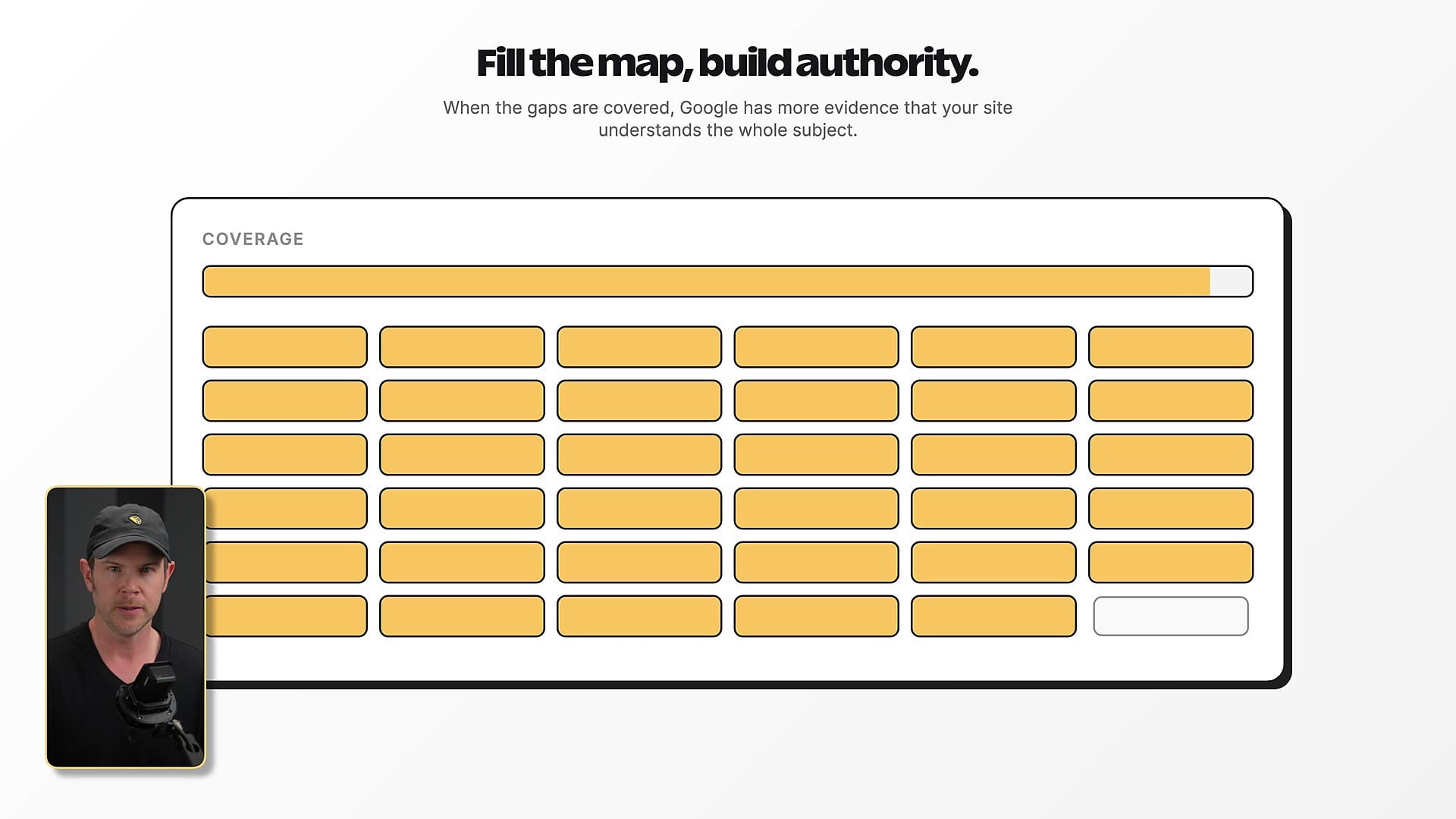
Future-Proofing SEO Authority against 2026
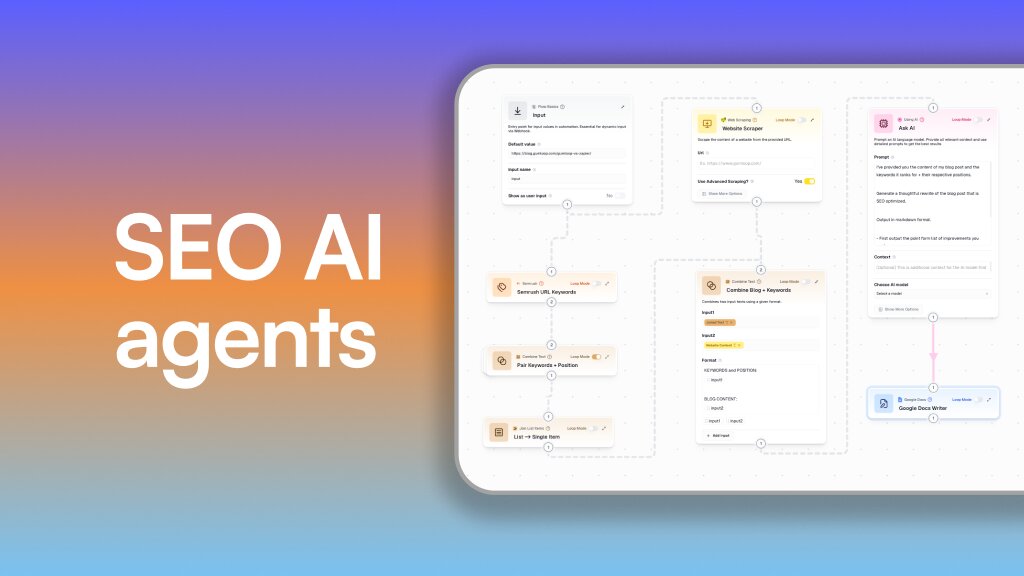
Building Massive Topical Authority Via AI Systems
Establishing Digital Niche Authority Using Smart Systems