All Categories
Featured
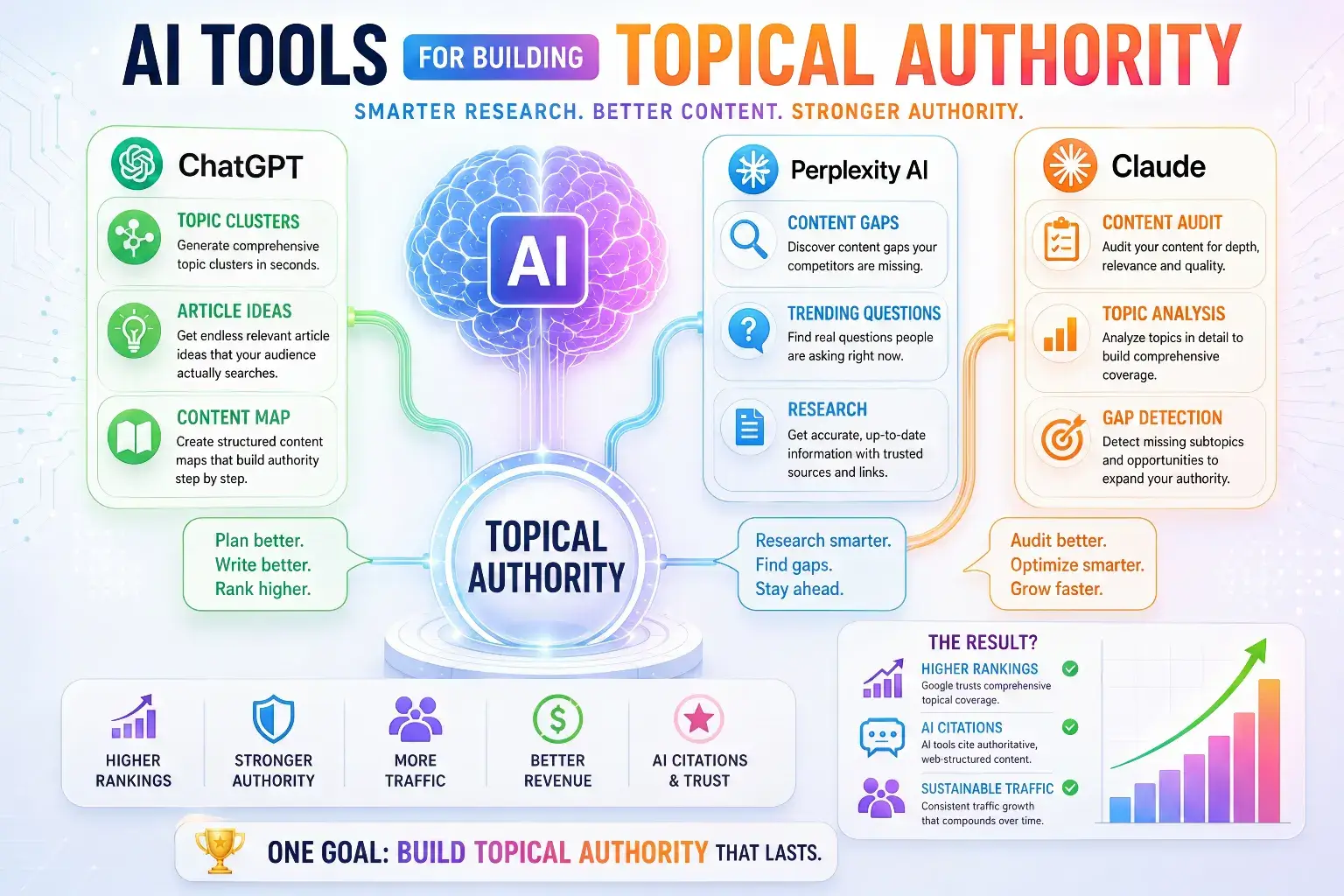
refers to being a go-to resource or specialist on a particular subject. It can use to a website's proficiency on a subject or a person's knowledge. Google has long tried determining topical authorities through efforts like authorship markup and patents on computing "authority signature worths. "Topical authority impacts things like Google's knowledge panels, search results page rankings, and brand-driven searches. The more authoritative content connected with a brand, the higher the topical authority. Are you thinking about discovering topical authority to enhance your search engine rankings? While it may at first appear complicated, nailing topical authority significantly improves your site's efficiency. Essentially, it involves developing your site as a relied on resource on specific topics. When you attain this, online search engine like Google are more likely to rank your site higher. These are the points we'll cover: ExactMetrics is the very best WordPress Analytics plugin. Get it totally free! Topical authority means positioning yourself as a specialist in a particular subject area. When your site offers thorough and important info on a particular topic, online search engine see it as a reputable source, which assists your site rank better in search engine result. By sharing comprehensive articles on numerous cleaning techniques, suggestions for taking on different kinds of discolorations, seasonal cleansing advice, and services for typical home cleaning problems, your website can end up being a preferred location for cleaning up enthusiasts. Online search engine recognize that your website thoroughly covers various cleaning topics, which causes greater rankings when users look for associated information. This is especially helpful if you run a little company or site. Even sites with low Domain Authority (DA)can.

surpass those with higher DA if they stand out in topical authority. A little cooking blog site providing detailed recipes, cooking ideas, and dietary recommendations can outrank a bigger website with only basic dishes. If your content is informative and engaging, visitors will remain on your website longer, indicating to browse engines that your website holds value. Next, let's explore how Google ranks sites and their most recent updates. Google utilizes a number of criteria to identify your site's ranking. Elements such as high-quality material, quick loading speeds, mobile friendliness, and an overall favorable user experience play pivotal roles. One substantial element to think about is Google's most current useful material updates. These updates are created to stress content that works, informative, and straight pertinent to users 'search questions. If your content satisfies these requirements and really assists users, it is most likely to attain a higher ranking. E-A-T, which stands for,, and, is another crucial ranking factor. Here's what we'll cover: Carrying out keyword research study is foundational to constructing topical authority. Before writing content, it's essential to understand what your audience is searching for. First, consider your audience's interests. What questions do they have? What details are they seeking? Your goal is to provide comprehensive protection of all this. This is a broad term that encapsulates your entire topic. For instance, if your subject is"home exercises, "an excellent seed keyword may be "newbie workout regimens. " Prevent terms that are too generic, like"fitness, "or overly specific, like"yoga postures for lower back discomfort."After picking a seed keyword, expand your list of associated subjects. Enter your broad subject. Look at the suggested filters. These frequently offer associated concepts worth checking out. See what occurs when you type in"baking dishes"Why not consider focusing on simple or no-bake cake recipes with few components? You can even do a seasonal series for summertime, winter season, and fall or" Fun Halloween Cake Recipes. "For more thorough keyword research study, we suggestusing a tool like Semrush . In addition, examine the posts that rank well for your picked keywords. Study these top-ranking short articles to understand what they cover, how they structure their material, and how they use headings. This insight reveals what both Google and users anticipate when searching for these terms. By analyzing these successful articles, you can develop material that meets or exceeds these standards, consequently building your topical authority in the eyes of search engines. To develop strong topical authority, you must create a content cluster. This includes developing a mix of pillar short articles(likewise known as foundation content )and supporting articles that are interlinked. These are extensive, extensive pieces that cover a broad topic extensive. They serve as the central centers of your content cluster. For instance, in the realm of individual finance, supporting posts could consist of "How to Create a Budget plan,""Understanding Credit History, "and"Tips for Conserving Cash. " Check out our comprehensive tutorial on Cornerstone Material for SEO: What It Is & How to Develop It for more insights. Organizing your content into clusters results in a well-structured, interconnected information web. The number of articles do you need to write to create an authoritative content cluster? There's no fixed number, however an excellent indicator is when your brand-new material on a subject begins ranking quickly. That's an indication you've constructed topical authority. Protecting backlinks is one of the most difficult elements of SEO. Nevertheless, there are effective approaches to get top quality backlinks. Here are some actionable suggestions: Write articles for other blogs and sites within your niche. This helps you tap into a more comprehensive audience and gets you important backlinks. The most organic method to acquire backlinks is by developing material that others wish to link to.
Citation and Mention Building for AIThis may draw in more attention and make you a terrific backlink in the future. Carrying out these methods can assist you get backlinks that improve your site's SEO and help establish your topical authority. For more in-depth methods, read our complete guide on Marketing Hacks For Dynamite Traffic Development. Internal linking is essential for both improving user experience and boosting SEO.
Mastering Automated Content Strategies for Success
This improves user engagement and helps online search engine understand the structure and hierarchy of your material. When creating internal links, make use of descriptive anchor text that informs the reader about the material they will find when clicking the link. Rather of interlinking with the word "here," explain what you're connecting to, such as our article on "writing a killer heading." Browse engines select up on the anchor text of your links and utilize it to understand your material and site's structure.
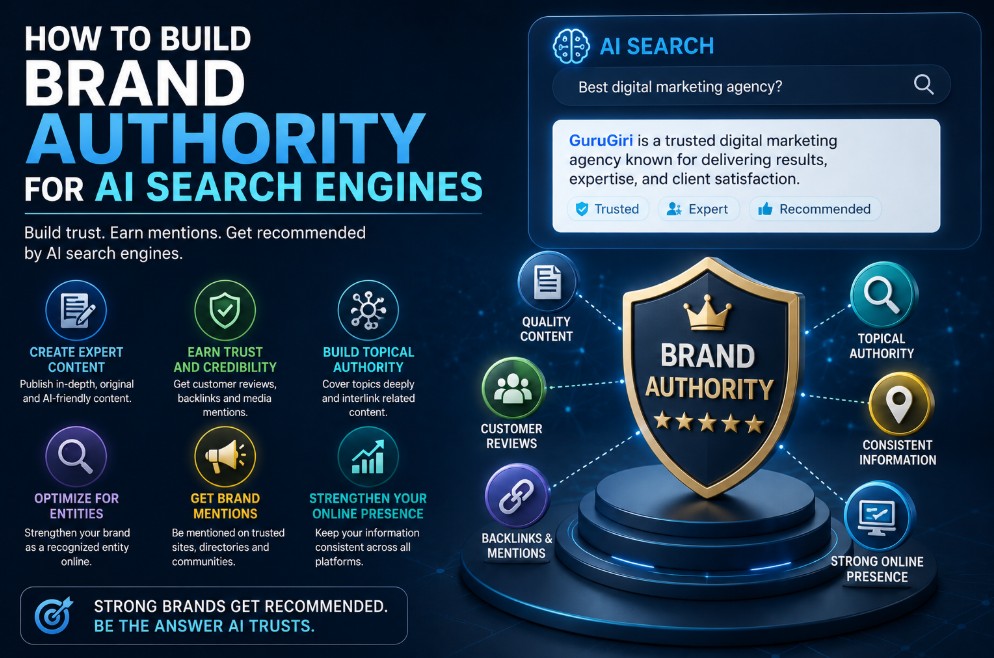
While it may be tempting to link whatever on your site, it's important to stay focused. Linking to irrelevant pages can confuse your visitors and offer a poor user experience.

Latest Posts
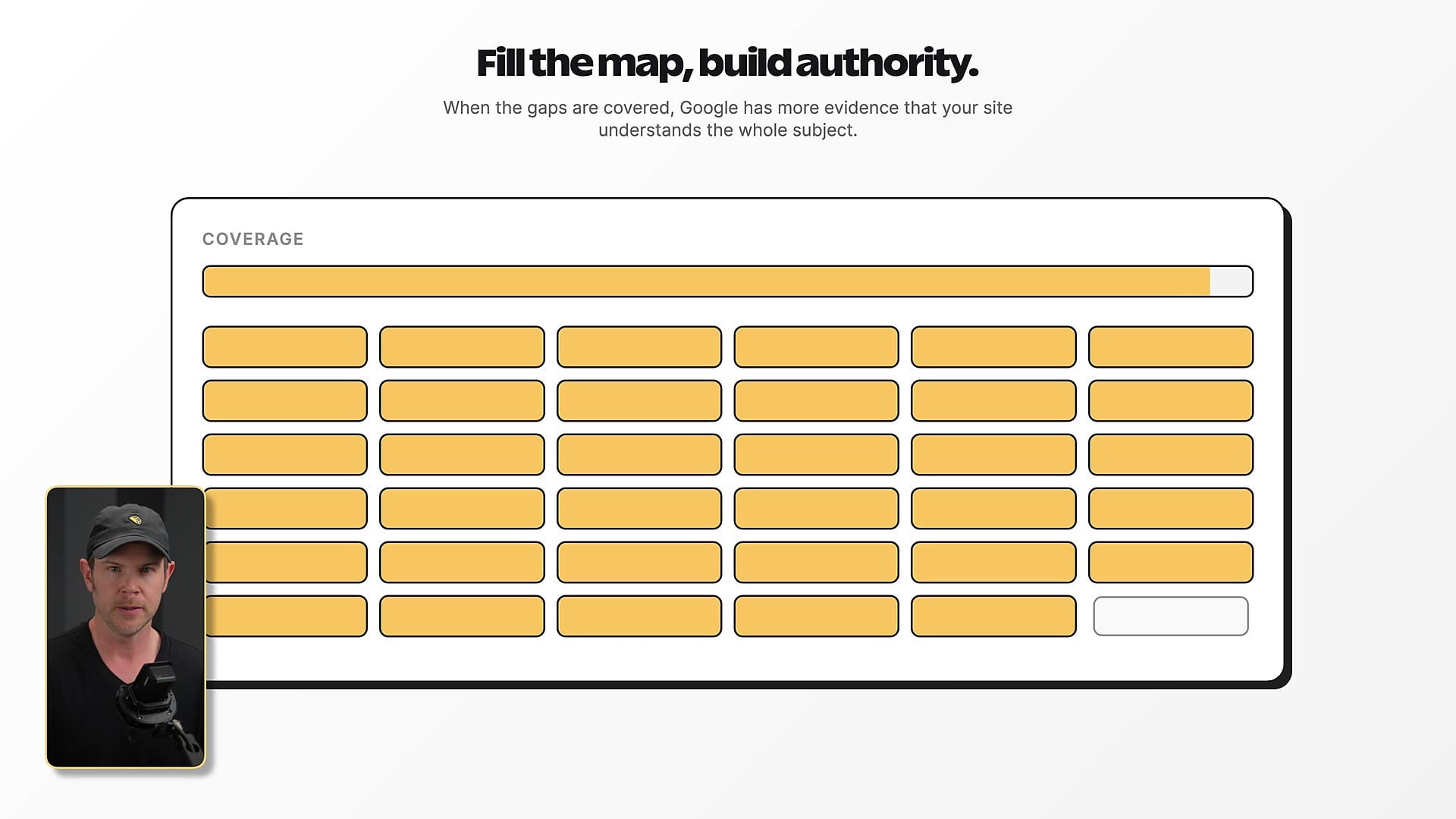
Future-Proofing SEO Authority against 2026
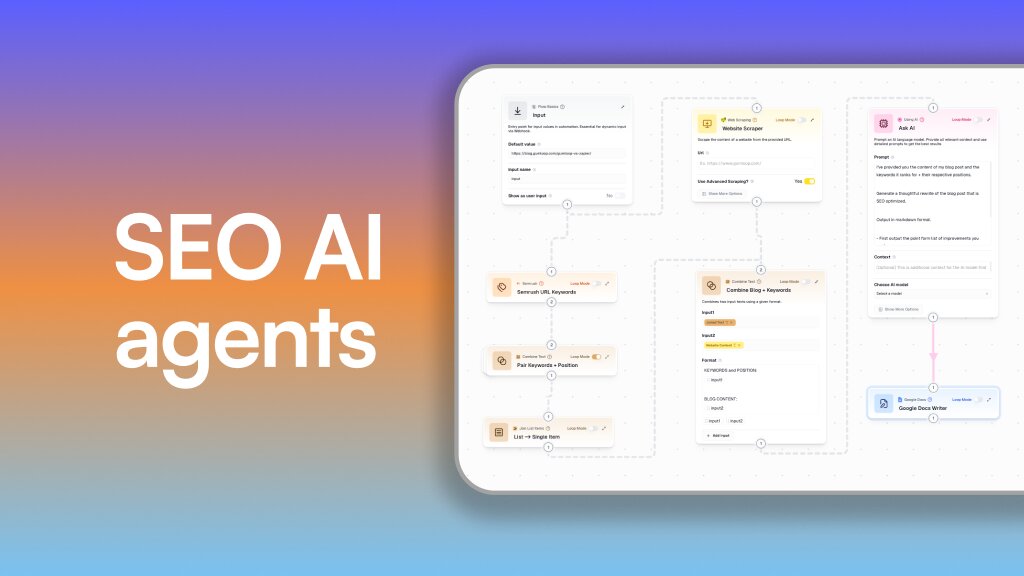
Building Massive Topical Authority Via AI Systems

Establishing Digital Niche Authority Using Smart Systems