All Categories
Featured
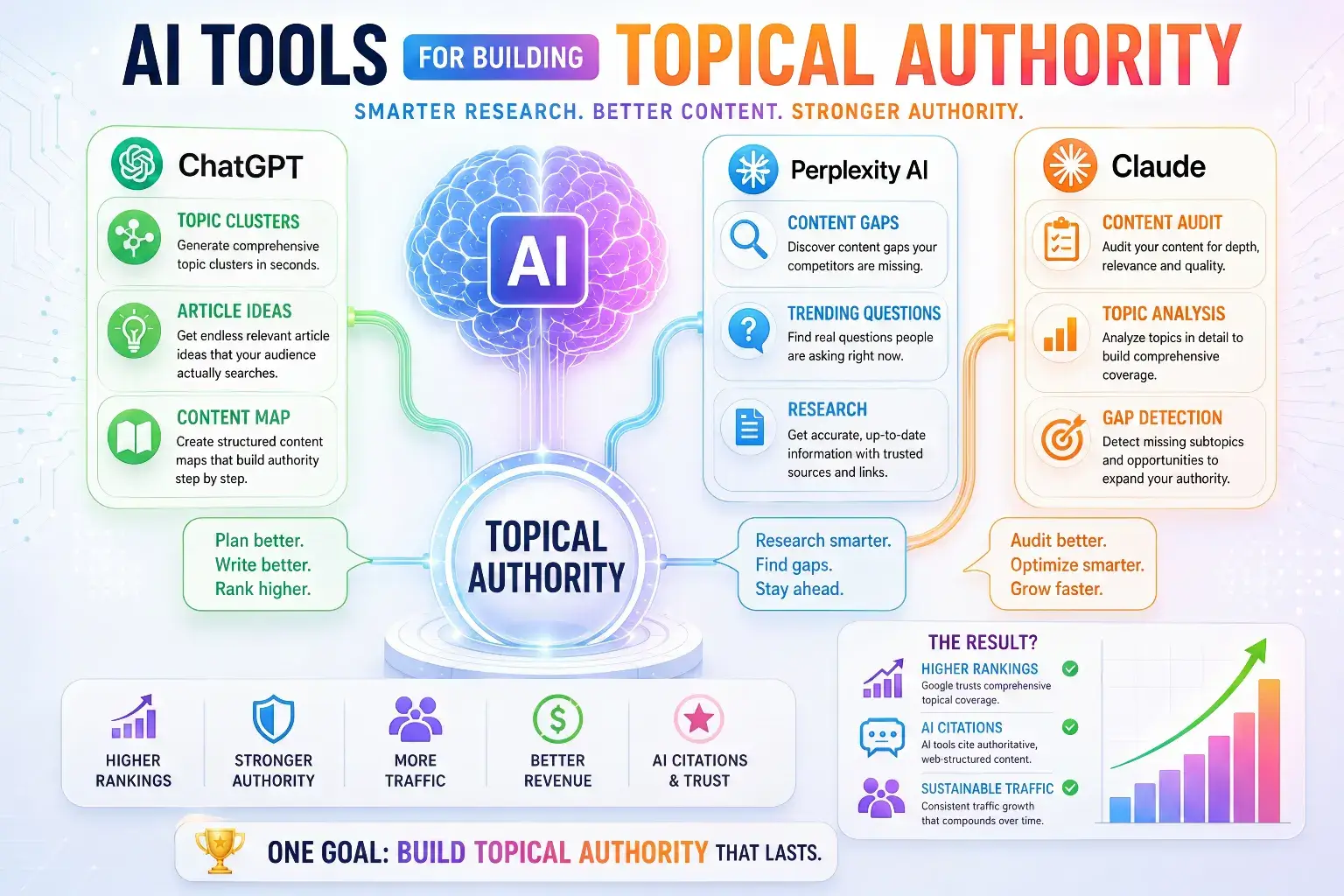
Because it lets you offer something your competitors can't match. Like this case research study: It assists a broad audience of digital marketing companies by providing insight into the tools and tactics they can utilize to increase mobile natural traffic. And nobody else can tell this story. Contrary handles your industry's hot subjects Interviews with subject matter specialists Regularly asked questions (FAQs)that others stop working to respond to Initial researchTo guarantee your material resonates with potential customers, research study the questions they may be asking.AlsoAsked is an easy tool for getting quick concepts. Enter a term or concern, pick your region, and hit"."You'll see a tree diagram including concerns that Google users who searched your subject likewise asked: Click any of these to explore additional follow-up questions and use the most pertinent ones to inspire your content.: Here are some tools that can assist you evaluate your site's credibility and know-how in a topic location: Semrush's Topical Authority metric can help you determine how reliability your website has for particular search terms. Here's how: Consider a keyword that you want your site to rank for and type it into the text bar. Next, add your domain in the "AI-powered function "bar, choose your target location, and click"." There will be a rating of"Low,"" Moderate, ""Appropriate, "or" High"under the "Topical Authority"label. Getting backlinks shows rely on your website is growing. Track yours using Semrush Backlinks tool. Type your site's URL into the Backlinks tool. Hit"."Near the top of the page, you'll see"Referring Domains"( the number of domains that point back to your site)and"Backlinks" (the overall variety of backlinks pointing to your website ). You'll see in red or green whether each figure has actually increased or reduced. Check the report's Authority Rating for a general measure of your site's quality, which is partially based on a range of backlink-related aspects.
[target2:anchor_exact1]: The distribution of your referring domains by Authority Ratings. Include the search engine, gadget, location, and language that you want to track positions for. They must include the search terms that you want to construct topical authority around.
Scroll down to see the top-performing keywords for your domain and keywords for which your domain's presence has actually increased ("Favorable Effect ")and decreased(" Unfavorable Effect") in the picked period. To see whether you're developing topical authority. Compare your ranking positions before and after the content was published. You can change your selected time duration utilizing the button on top right of the report.
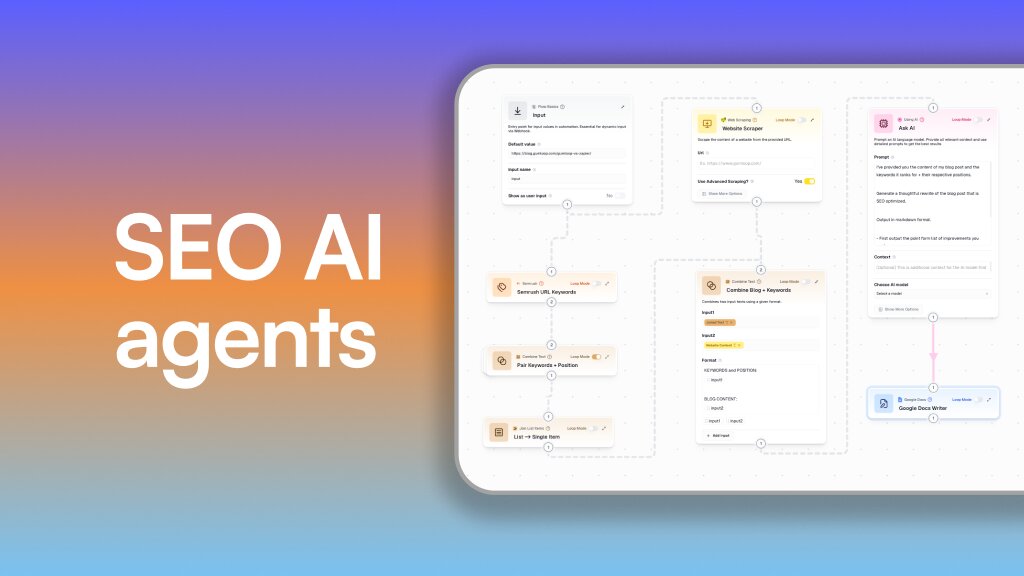
How to Create Topical Systems Automatically With AI
If you see favorable increases in ranking positions, you're most likely building topical authority in those subject locations. Visit to Google Analytics( GA4 )to see whether visits are up or downFrom the dashboard, click ""in the leading left corner. Go to "" >""> "."There, you'll see a breakdown of your traffic by channel. Take a look at the" Organic Browse "row and compare the information to what you saw from the previous duration. Focus on structure topical authority with your material to construct unstoppable.
[target2:anchor_exact1]
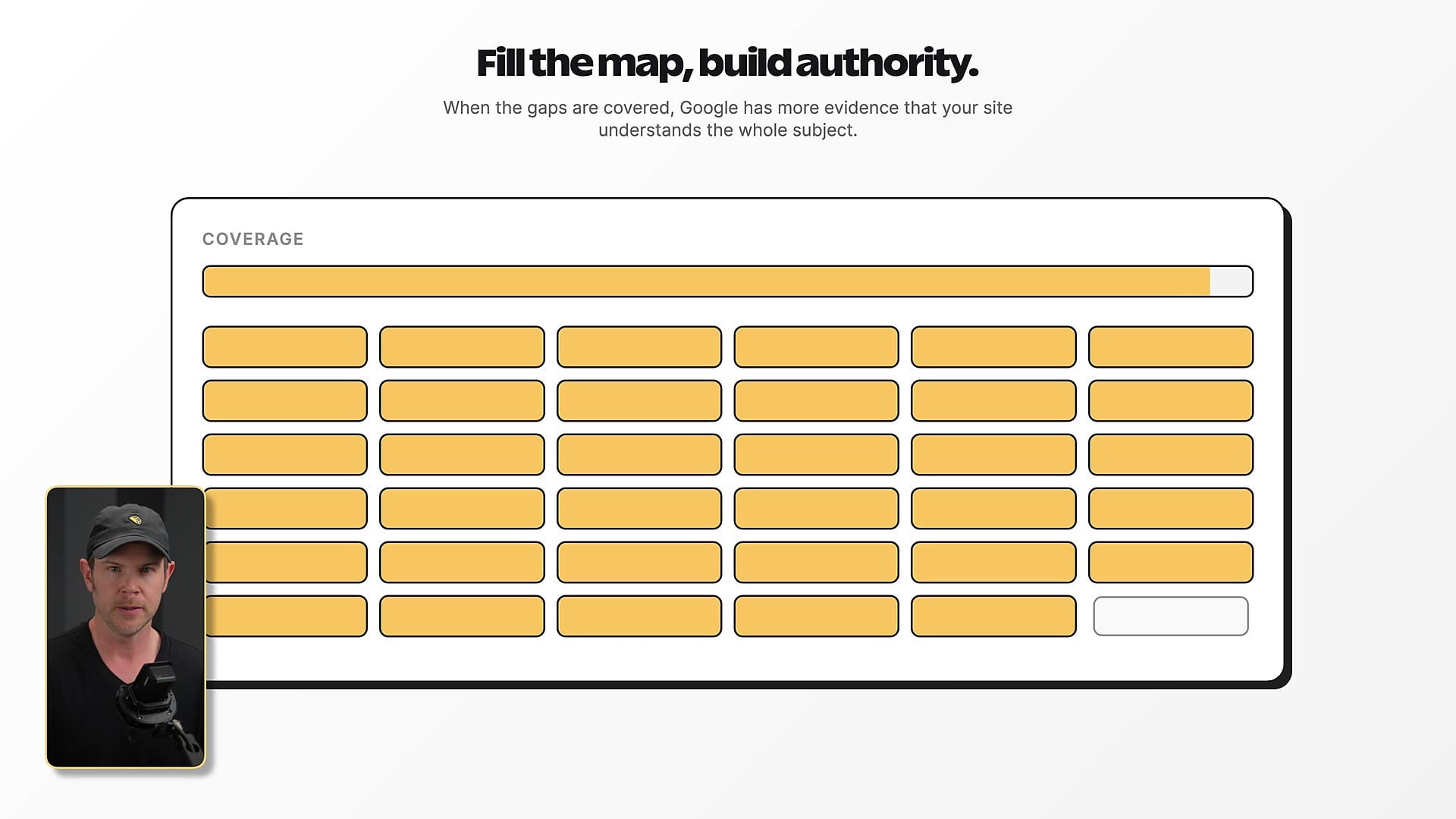
momentum. And use Semrush's AI-powered keyword tools to get a better understanding of your site's topical authority for your target search terms. So you can pursue the right terms to boost your reliability. Take a look at the tools noted in this article with a free trial. If you have actually remained in SEO long enough, you know that Google has actually been attempting to find out genuine expertise behind web files for several years. From the stopped working "Authorship"project to its E-E-A-T guidelines, we have great deals of proof of that battle. This is where the term" "comes from, and here's what you require to learn about it: As the term recommends, topical authority stands for the go-to resource for or a widely known expert on (or both)a specific topic . I tend to think it's both due to the fact that one can enhance the other. Google works by identifying and categorizing entities, so if your (individual) brand name is categorized in a relevant classification, you're one step better to ending up being a topical authority. To prove this point, this is the requirements uses to determine and interpret topical authority for each story:" How significant a source is for a subject or location "(This is the entity classification)."... a source's history of premium reporting, or suggestions from skilled sources, such as professional societies [and] journalistic awards"(These are recommendations from other connections from other entities Google learns about).
There are likewise excellent factors that Google looks at the content and authorship when determining topical authority: Topical authority is not a new concept. Searching Google will help you comprehend topical authority even much better. From Knowledge Panels to additional areas like"Articles"and "About, "you'll have a much better idea of topical authority with the outcomes appearing for branded searches: Google's brand-driven image search is also helpful in comprehending how Google classifies any brand name: Now, let's get to some actionable tips here( I hope you got down here to find it, however all the boring things above is important to understand what we need to do to develop topical authority).

Latest Posts
Future-Proofing SEO Authority against 2026
Building Massive Topical Authority Via AI Systems

Establishing Digital Niche Authority Using Smart Systems